PROSA
The shutter is local. The seeing is rented.
A camera used to be a closed system. Light entered through a hole, something inside was altered by it, and the whole operation could be understood by anyone willing to take the thing apart. PROSA is not closed. The part that decides what the image means sits in a rented building whose address is not disclosed, bills by the token, and can be replaced between one shot and the next without telling anyone. What comes back is a result, not a picture.
A PROSA camera is an ESP32 with a lens, a Telegram account and a modem. The shutter is the only part still in the room. The photograph leaves, is intercepted in flight by a client that registers as a user rather than as a bot, and returns as language — described elsewhere, by a model the camera neither owns nor chose.
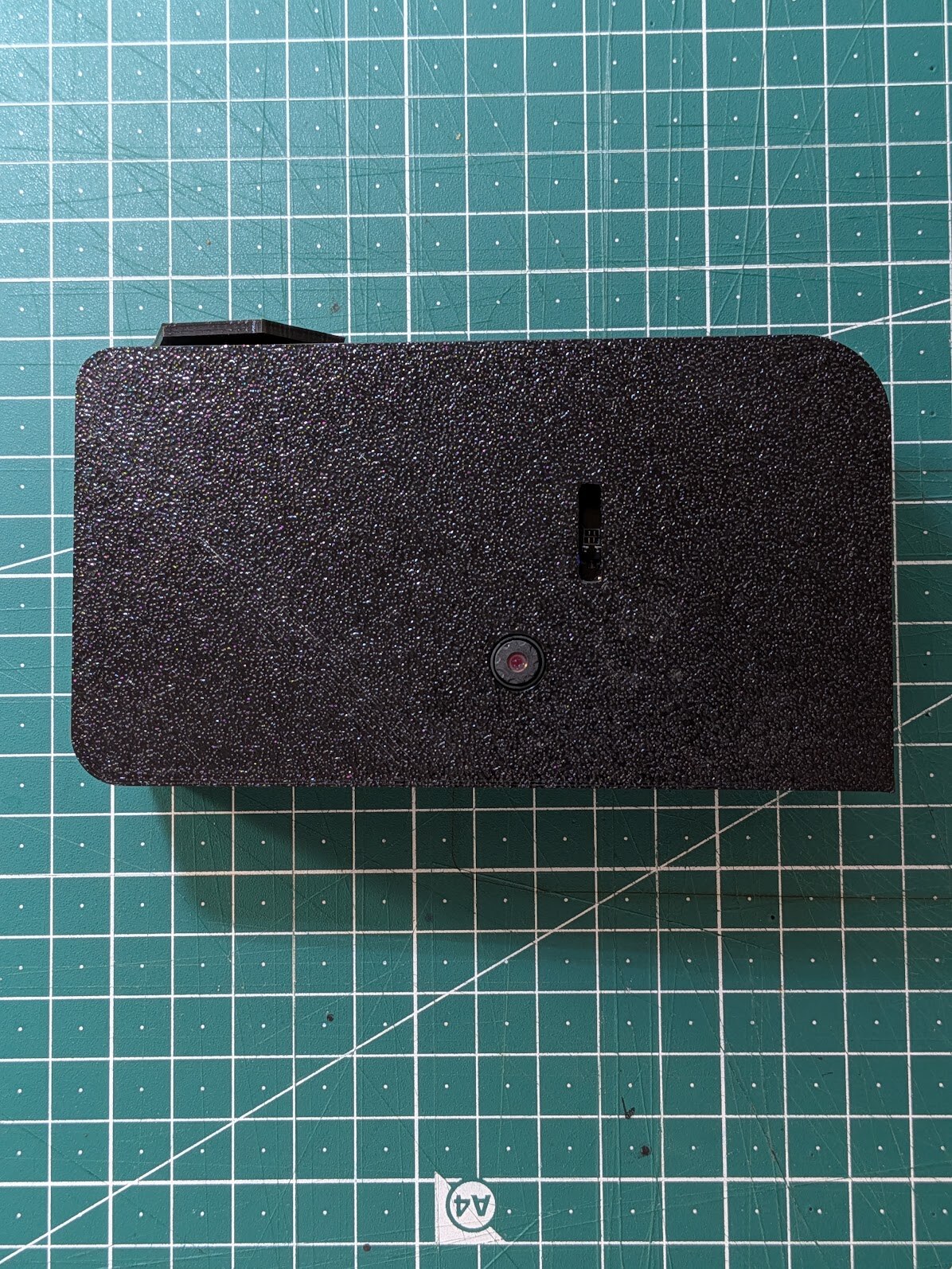
The delegation is written into the source as a fallback chain: Gemini first, Groq if Gemini is rate-limited, OpenRouter if neither answers. This is sound engineering and a precise political fact at the same time. The diary that accumulates is continuous, single-voiced, in the first person; the eye behind that voice changes supplier mid-sentence and is under no obligation to mention it. When a provider revises its safety policy overnight, the camera sees differently in the morning, for reasons nobody photographed.
Perception with a service level agreement.
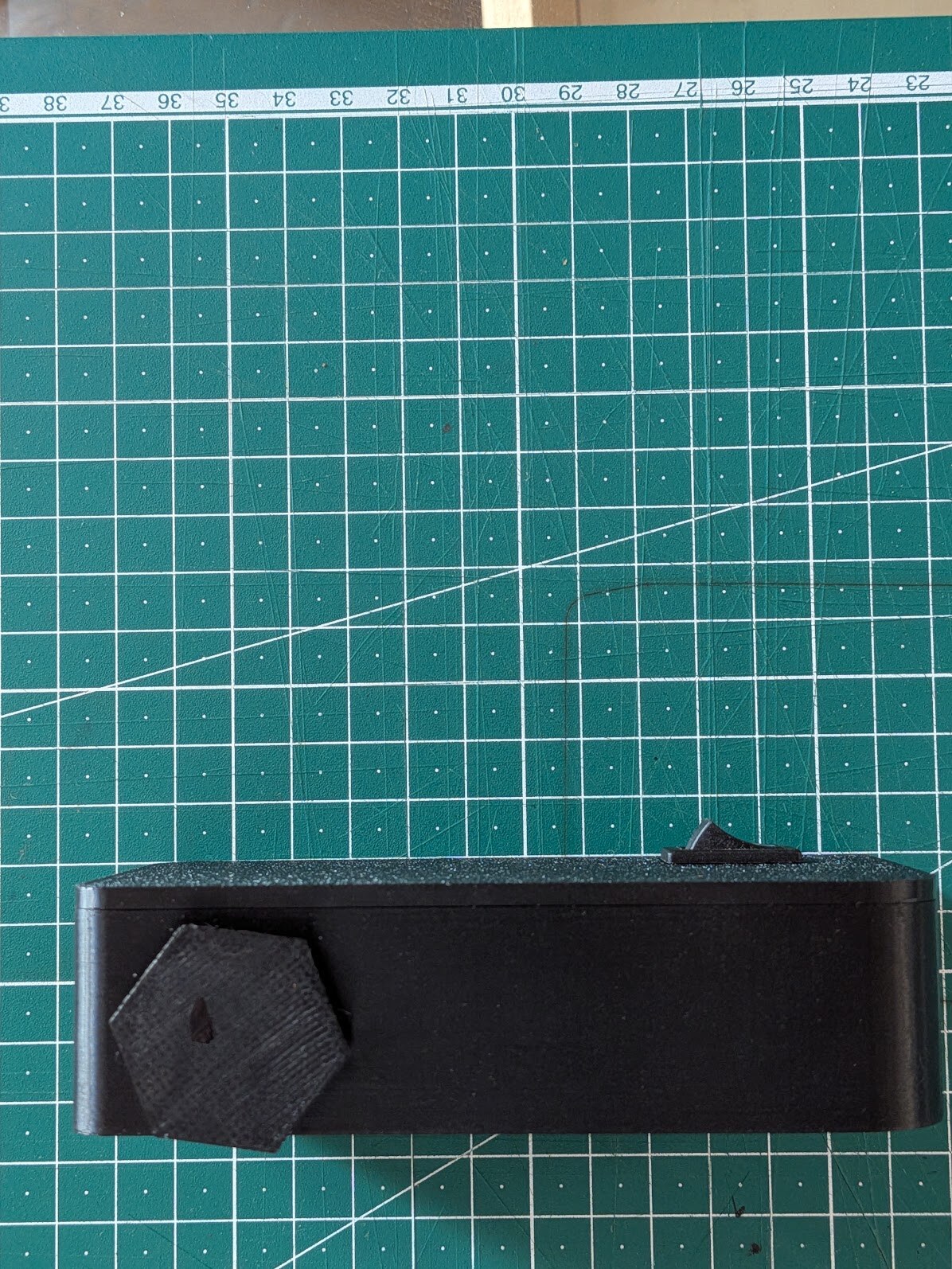
The second camera makes the arrangement physical. A detented dial and a small OLED select, before the shot, which model will transform the image: SD15, FLUX, QWEN, CAPYBARA. It has the click of a film-speed selector and it is a vendor selector. This is the candid version of the machine — most delegated seeing has no dial, no label and no click, which is precisely what makes it easy to mistake for one's own eyesight.
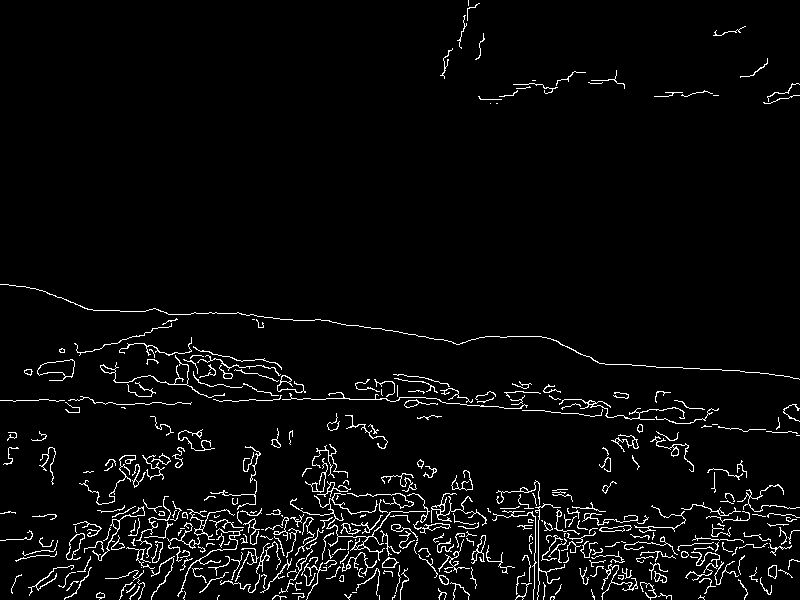
What travels is not the photograph. Before anything is regenerated the image is reduced to a control map: a canny pass, which keeps the discontinuities and discards colour, surface, light and subject, or a depth pass, which keeps only how far away things are and not what they are. That reduction is the entire brief. Everything else in what comes back — the hour, the season, the weather, the species of the vegetation, the make of the machinery — was supplied by the model. The geometry is obeyed. The world poured into it is a guess, made elsewhere, by whichever workflow the dial was pointing at.
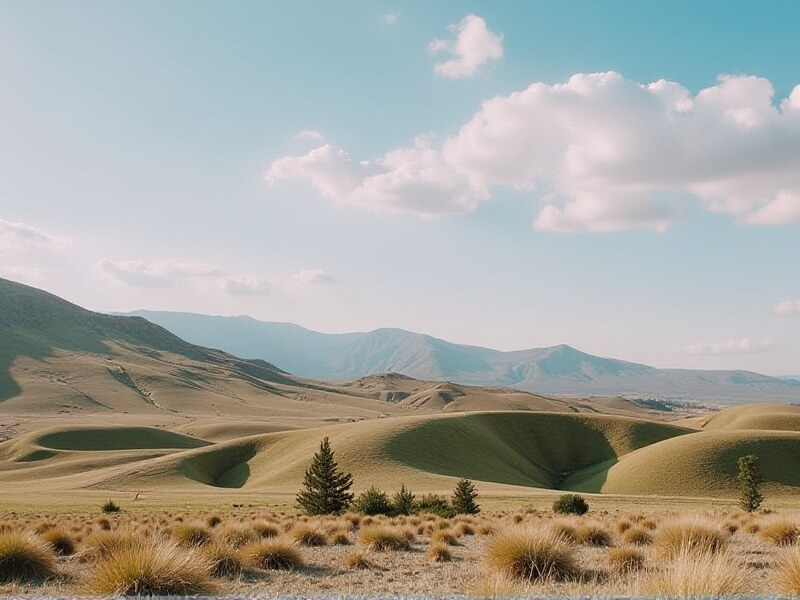
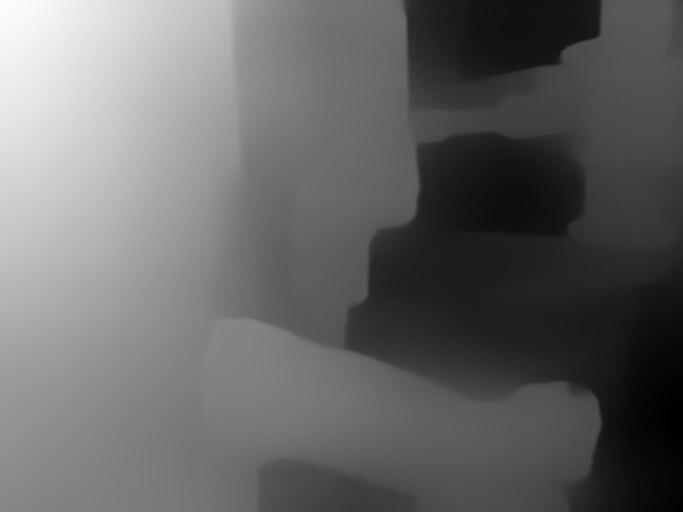
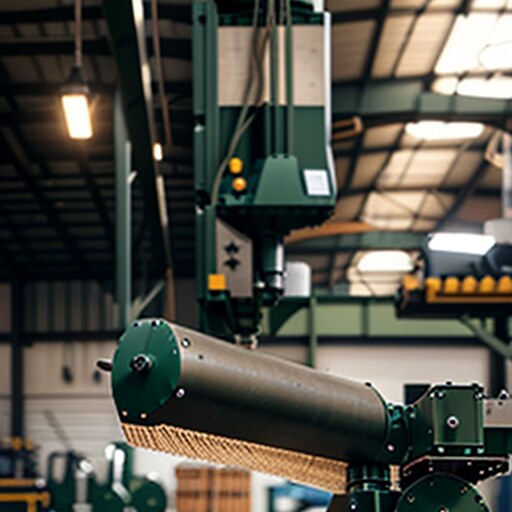
Both cameras reach the world through a single cloudflaredprocess holding two ingress rules, so one restart takes them dark together: a distributed aesthetic running, as usual, on centralised plumbing. And neither returns the picture it took. One gives back prose, the other gives back a different image.
The referent was the expendable part.
PROSA, first lineage — ESP32-CAM, Telegram interception viatelethon, hosted vision-LLM chain, first-person diary accumulated in story.json. — PROSA, second lineage — ESP32-CAM, ComfyUI Cloud, image-to-image with the workflow selected at the shutter by a detented dial and an OLED.