Here We Are
Every device is a confession.
A Raspberry Pi based device sits in a public space and listens. It doesn't connect to anything and it doesn't ask for anything. It only receives what nearby devices already broadcast over Bluetooth Low Energy: a short burst that means I am here. Each device takes a step in a sequencer, a cycle that grows and shrinks with the people present. Proximity sets the pitch and the register, chance picks the position, and when a device leaves, an almost inaudible note marks the empty step.
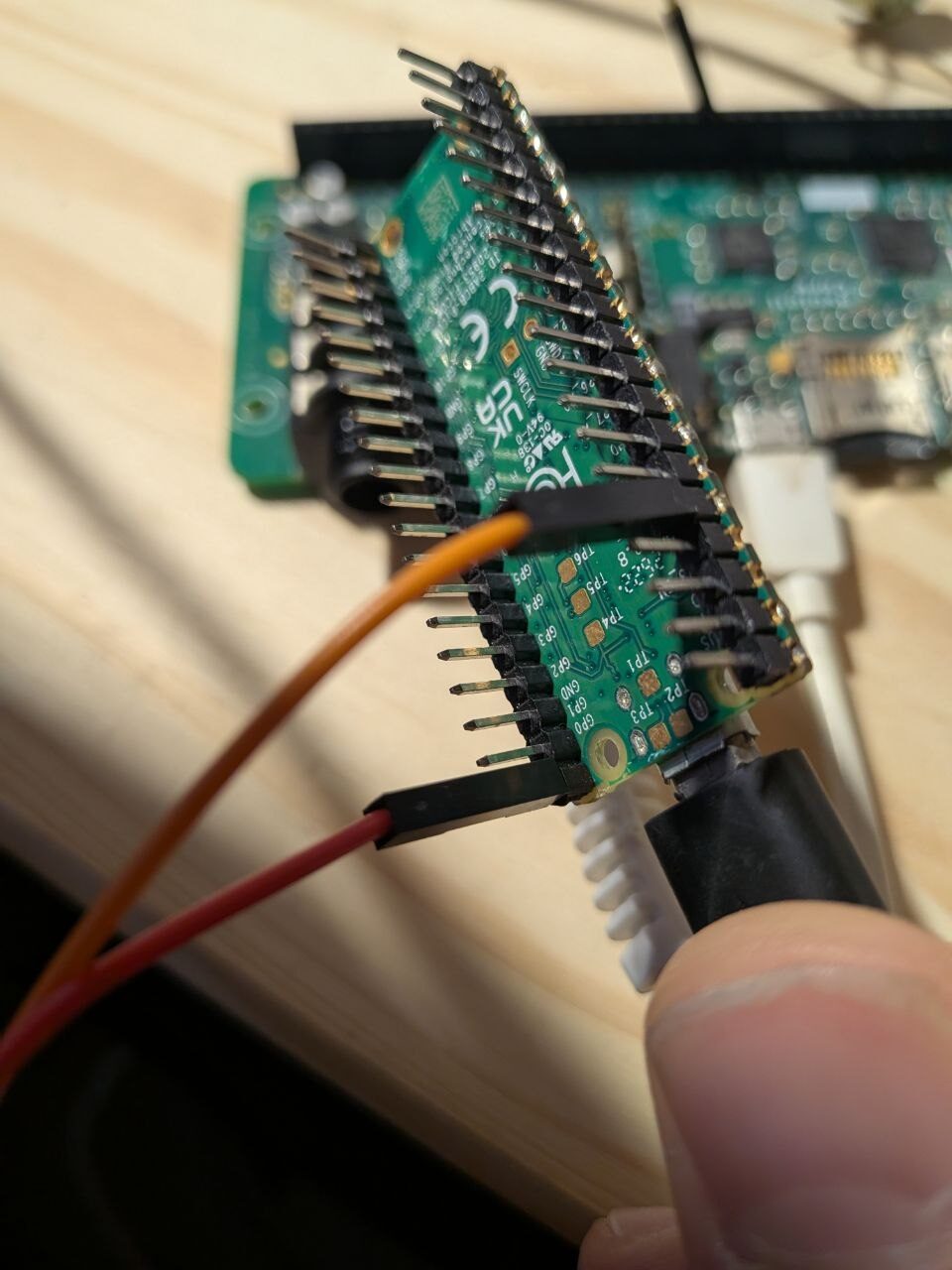

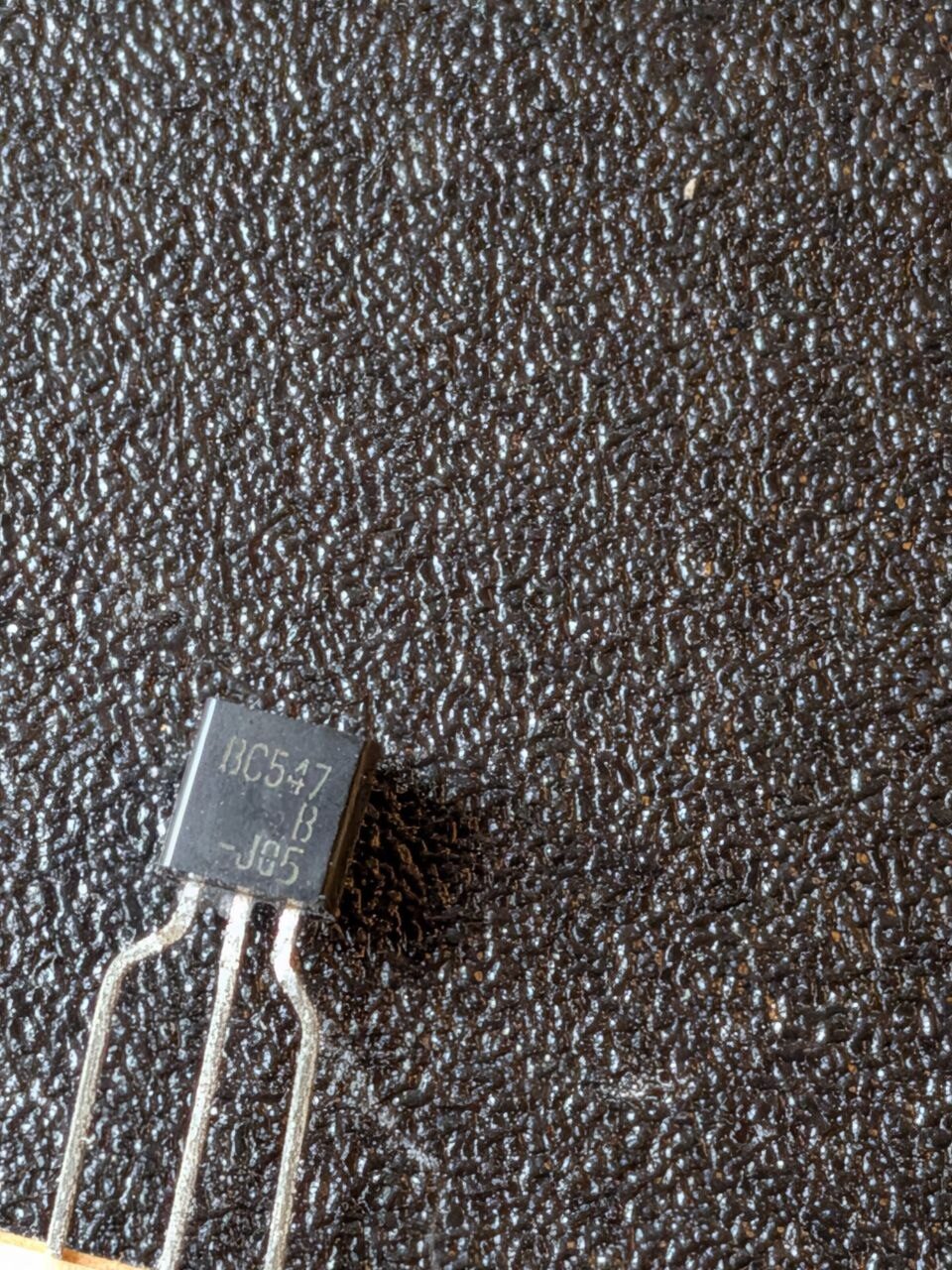
I tested it where tourists gather. The busier the street, the longer the cycle. A cruise ship docks and the sequence grows to a hundred steps. Off-season, it drops back to eight. The music follows the seasonal tide without knowing who makes it.
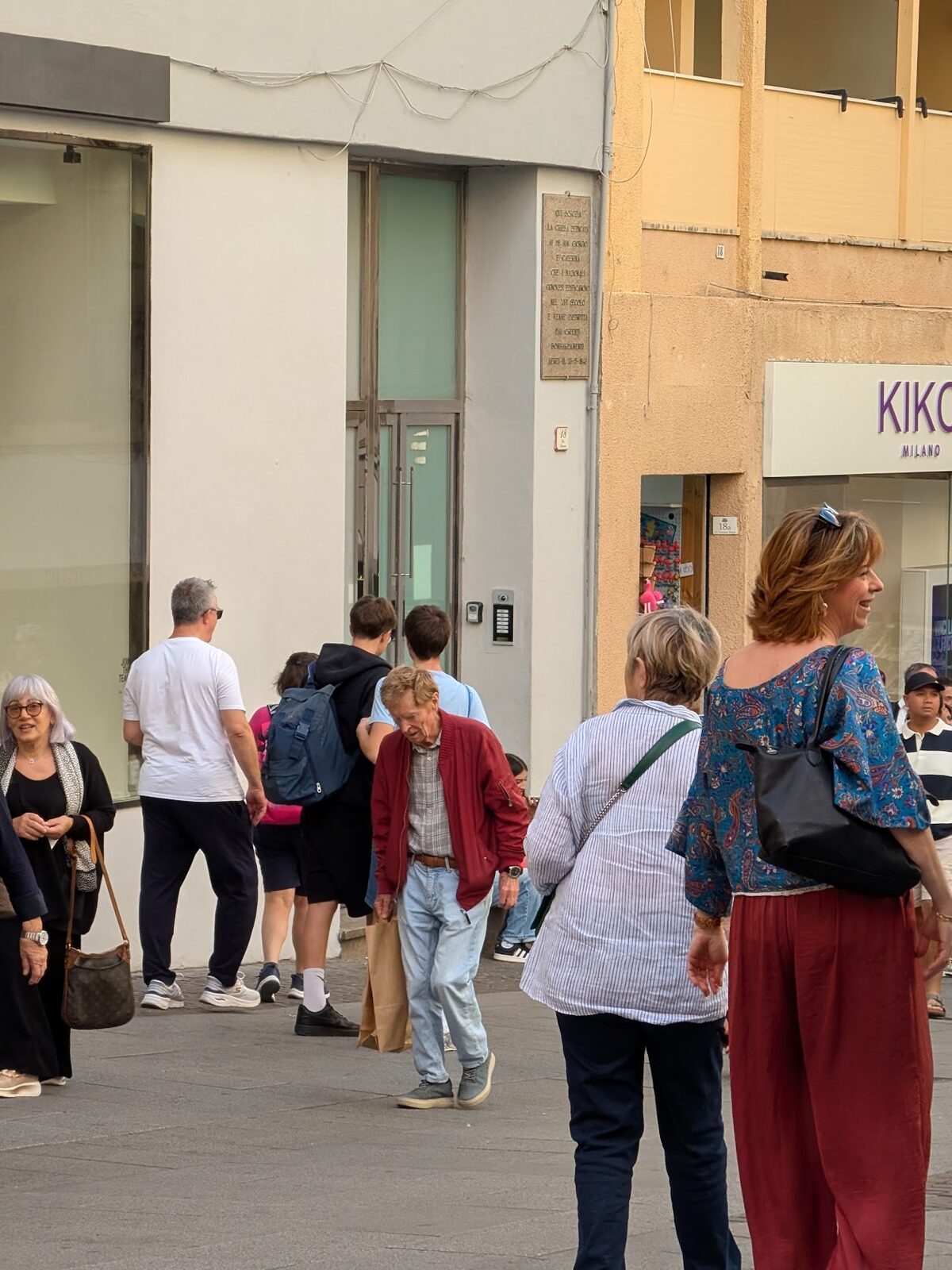
The crowd is a dataset that walks.
The same signal feeds retail analytics, footfall counters and smart-city dashboards, which count visitors to price the street they walk on. Overtourism is measured device by device, and that count becomes the argument for selling the city one more time.Here We Are uses the same ear and refuses the ledger: nothing is stored, the table lives in memory and empties itself, addresses are never shown. Whether making the capture audible is enough to make it acceptable is left open, on purpose.
The apparatus can't tell the people apart. A tourist and someone fleeing a war emit the same packet; their conditions, rights and risks have nothing in common. To the listener they are the same thing: a mobile device announcing itself.
Nobody chose to be in the song.
Here We Are, 2026. Raspberry Pi based device, BLE passive scanning, MIDI DIN, Axoloti Core synth. Variable-length step sequencer, 60 BPM, one step per device. Nothing recorded.